6 min read
The Quiet Power of Soft Geometry and Gentle Forms
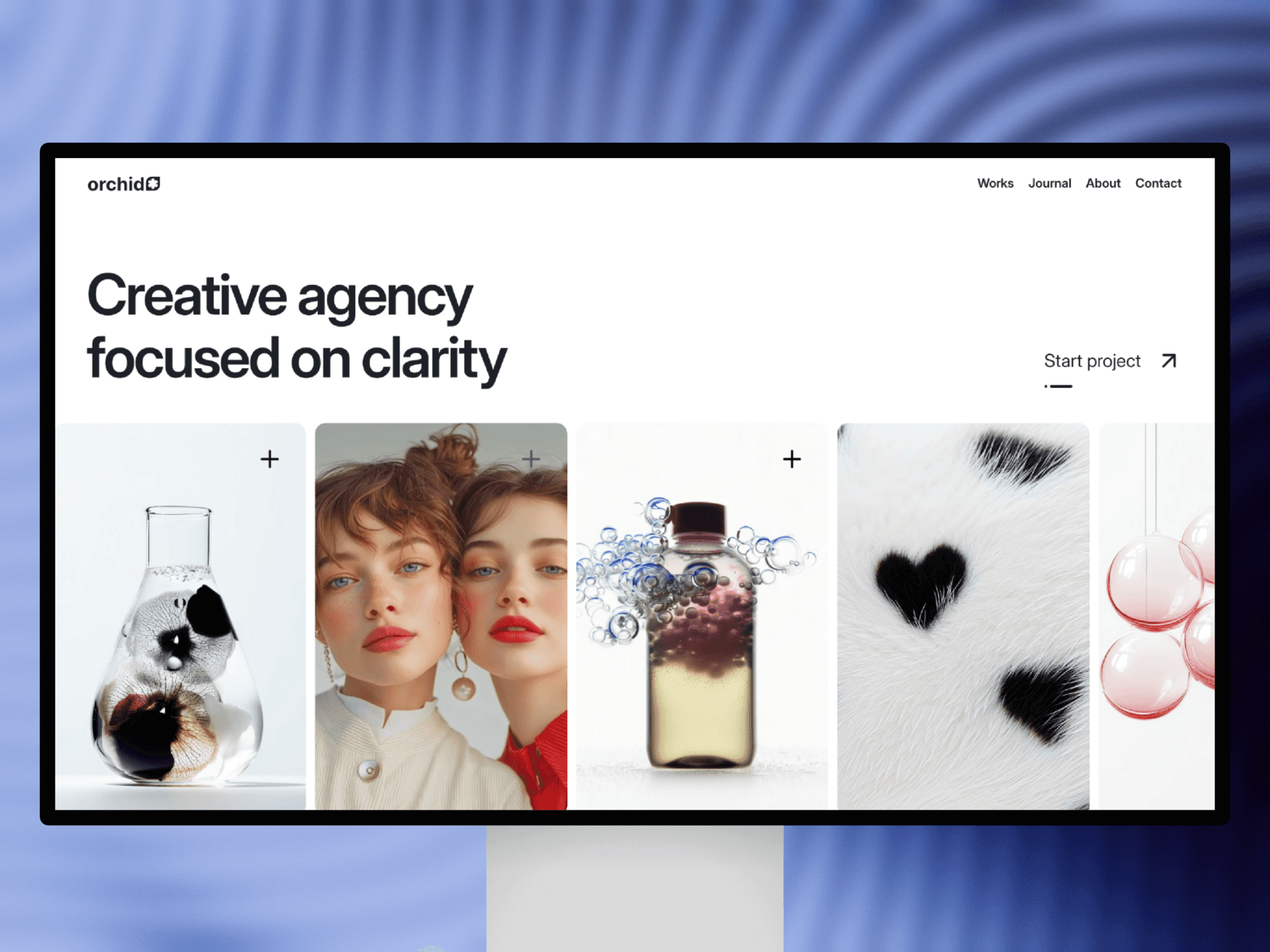
Soft geometric forms bring calm, depth, and personality to digital design, helping brands stand out with friendly visual language and balanced aesthetics.


Its rounded edges and gentle proportions evoke warmth, simplicity, and approachability.
Soft geometry creates a visual language built on clarity and emotional resonance. By reducing sharp angles and avoiding overly complex shapes, designers can create objects and layouts that feel natural and intuitive. In 3D, these forms translate into smooth contours, lightweight reflections, and simple material definitions that make scenes feel premium without overwhelming the viewer.
This style works especially well with soft lighting and subtle material variations. When paired with matte glows, jelly-like surfaces, or inflatables, soft geometry becomes a perfect tool for adding dimension while maintaining a calming aesthetic. It gives objects personality—cute, approachable, and expressive—yet still clean and professional.
Soft geometric elements also help unify branding. Repeating similar shapes and proportions across multiple touchpoints creates consistency and trust. Buttons, icons, section props, and hero visuals can all share a common softness, making the overall identity more memorable.
In motion, soft geometry becomes even more engaging. Slight scale changes, floating animations, or elastic easing add playfulness while enhancing usability. Whether used for hero illustrations, product mockups, or UI elements, soft shapes offer a timeless foundation for modern digital design.